



On 20 November 2026, the UK and EU reached an agreement to link their respective Emissions Trading Schemes (ETS), marking a significant development in carbon pricing and environmental policy.
While much of the attention has focused on energy, manufacturing and international trade, the agreement could also have important implications for the waste management sector, particularly regarding waste incineration and the future cost of commercial waste disposal.
But what exactly does this mean for businesses, and how could it affect their waste management costs?
What Is the Emissions Trading Scheme?
The Emissions Trading Scheme is a carbon pricing mechanism designed to reduce greenhouse gas emissions by placing a financial cost on carbon emissions.
Businesses operating within regulated sectors are required to obtain allowances to cover their applicable emissions. The overall number of allowances available is gradually reduced, encouraging operators to invest in lower-carbon technologies and improve operational efficiency.
The agreement between the UK and EU will allow emissions allowances to be traded across both schemes, creating a larger carbon market and greater consistency in carbon pricing. The link is expected to become operational on 1 January 2028, subject to the necessary legislative and technical processes being completed.
What Does This Mean for the Waste Sector?
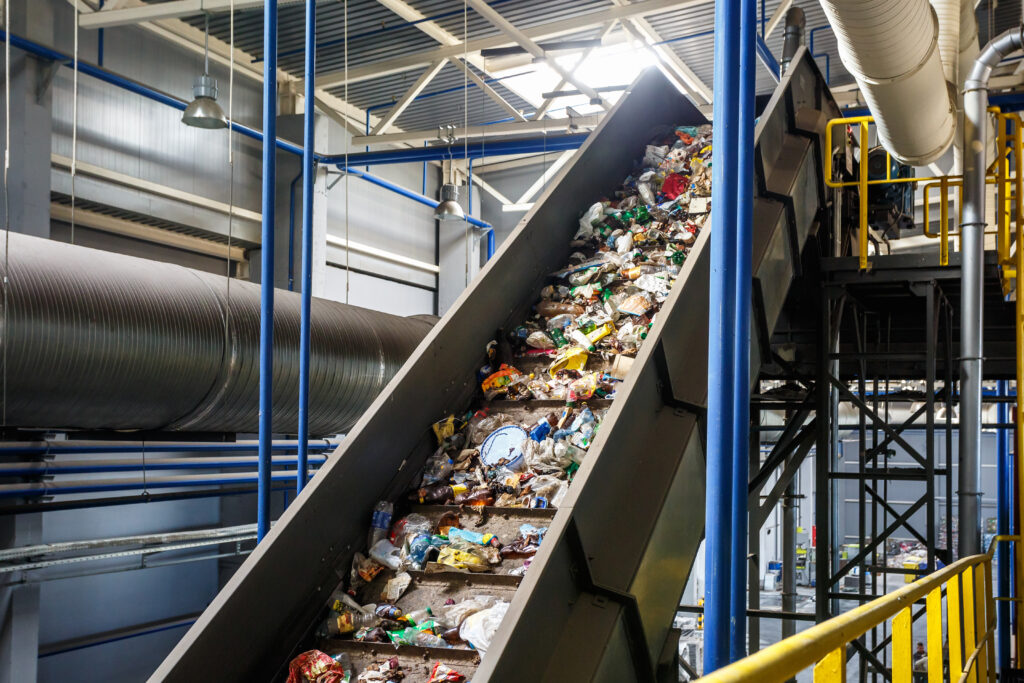
Alongside the linking of the two schemes, the planned expansion of carbon pricing to include waste incineration is a particularly important development for the waste management industry. Energy from Waste (EfW) facilities process non-recyclable waste through incineration, generating electricity and, in some cases, usable heat.
Although this provides an alternative to landfill, burning materials containing fossil-based carbon, such as certain plastics, releases carbon dioxide into the atmosphere. Once emissions allowance requirements are introduced for waste incineration, facility operators will face additional costs associated with these emissions.
These changes are intended to encourage:
- Reduced reliance on waste incineration.
- Greater recovery and recycling of valuable materials.
- Investment in lower-carbon waste treatment technologies.
- Improved waste segregation.
- A reduction in the environmental impact of waste disposal.
However, the exact timeline for introducing carbon charges for UK waste incineration has yet to be confirmed.
Could Commercial Waste Collection Costs Increase?
One of the biggest concerns for businesses is whether additional costs incurred by waste treatment facilities could filter through to their commercial waste bills. If incineration becomes more expensive, waste collection providers may pass some of these increased disposal costs on to their customers.
Businesses producing large volumes of general waste could be particularly affected, especially where their waste contains significant quantities of fossil-based materials, such as plastics.
The extent of any price increases will depend on several factors, including carbon allowance prices, waste composition, disposal methods and individual waste collection providers. While increases are not guaranteed, the developments highlight the importance of reviewing waste management arrangements and identifying opportunities to reduce unnecessary disposal costs.
Why Waste Segregation Is Becoming Increasingly Important
With environmental legislation continuing to evolve, effective waste segregation is becoming both an environmental and financial consideration for businesses.
Under England’s Simpler Recycling legislation, most businesses are already required to separate recyclable materials and food waste from their general waste. Micro-businesses with fewer than 10 full-time equivalent employees have until 31 March 2027 to comply.
Separating waste correctly can help businesses reduce their reliance on general waste collections and potentially limit their exposure to future increases in incineration costs.
Businesses can take proactive steps by:
- Reviewing the types and volumes of waste they produce.
- Ensuring staff understand which materials belong in each bin.
- Reducing unnecessary packaging and single-use plastics.
- Reviewing bin sizes and collection frequencies.
- Identifying opportunities to increase recycling rates.
Taking these steps now could help businesses manage their waste costs more effectively as regulations continue to develop.
As carbon pricing, recycling requirements and environmental legislation continue to evolve, having an efficient and cost-effective waste management strategy is becoming increasingly important. At BSG Waste, we work with a nationwide network of trusted waste collection providers to deliver tailored commercial waste management solutions.
Whether you’re looking to reduce your waste bills, improve recycling rates or ensure your waste arrangements meet current legislative requirements, our team can help you identify opportunities for improvement. Get in touch with BSG Waste today to review your commercial waste arrangements and discover where you could save.